How purchased lead lists are built
B2B lead list vendors — ZoomInfo, D&B Hoovers, InfoUSA, and dozens of others — build their databases from multiple sources: public business registrations, web crawls, LinkedIn scrapes, and in some cases, email engagement data. They compile fields like company name, industry, employee count, revenue estimate, and contact information.
The fundamental problem is staleness. From the moment a record is created, it starts aging. Business addresses change. Phone numbers get recycled. Key contacts leave. Most vendors refresh their data periodically, but "periodically" often means quarterly or annually — not continuously. Industry estimates put B2B contact data decay at 25–30% per year. A list you buy today could have a third of its records meaningfully out of date within 12 months.
How Google Maps data is different
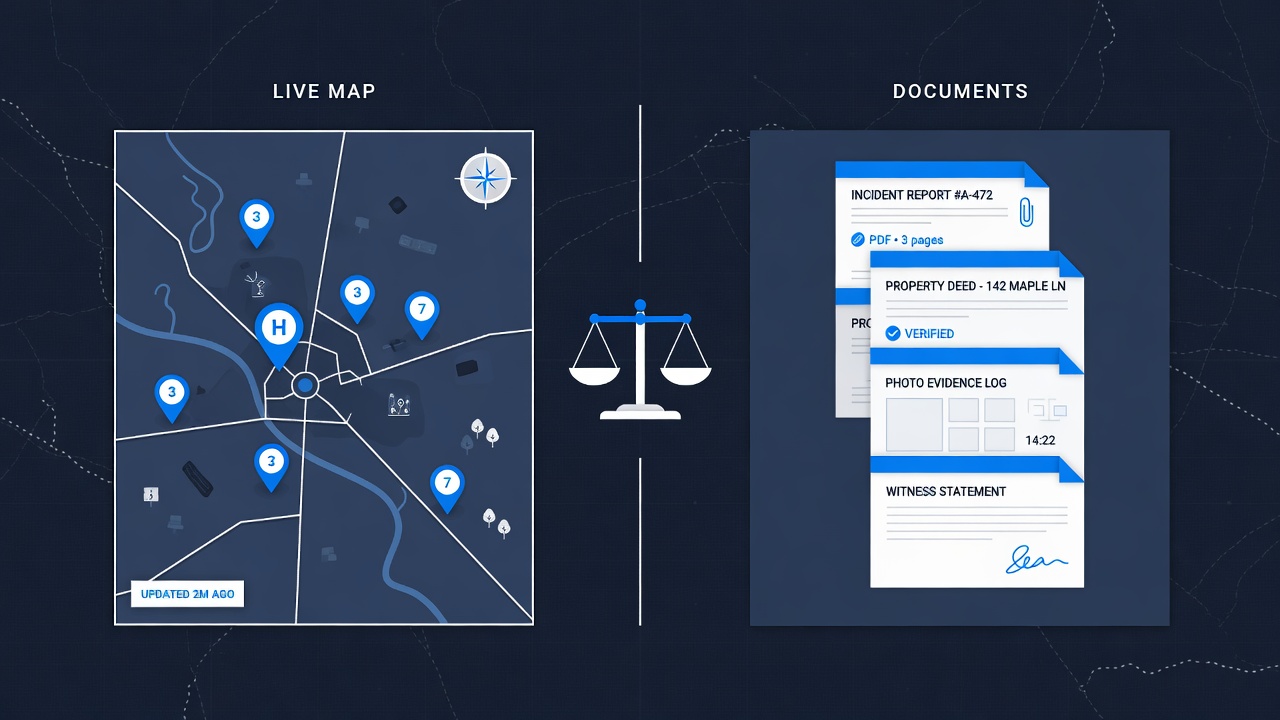
Google Maps is a live, continuously updated database. Businesses claim and update their profiles. Google verifies listings. Customers add reviews, photos, and corrections. When a business closes, the listing is marked as permanently closed, usually within days. When a phone number changes, the owner updates it in their Google Business Profile.
This means a MapLeads export from today reflects what's actually there today — not what was there when a vendor last refreshed their database. For local business prospecting especially, this distinction matters. Small businesses close, move, and change ownership far more frequently than enterprises. The freshness gap between Google Maps data and a purchased list is a real quality difference.
| Google Maps (MapLeads) | Purchased Lead List | |
|---|---|---|
| Data freshness | Real-time — reflects current state | Quarterly/annual refresh — 25–30% annual decay |
| Geographic targeting | Any map search — city, zip, neighborhood, radius | Filtered list fields — metro area, state, zip |
| Business coverage | All businesses with Google Maps presence | Primarily registered/incorporated entities |
| Cost | Free (25/export) or $9.99/mo unlimited | $0.10–$1.00+ per contact; minimums apply |
| Data fields | Name, category, phone, rating, reviews, website | Name, industry, revenue est., contacts, email |
| Contact email | Not included — requires manual enrichment | Often included (variable quality) |
| Unique signals | Star rating, review count, website presence | Employee count, revenue estimate, tech stack |
| Minimum buy | None — export exactly what you need | Often 500–1,000 records minimum |
Where purchased lists win
Contact-level data. Purchased lists often include specific contact names, titles, and direct email addresses — data that Google Maps doesn't have. If your outreach requires reaching a specific role (CFO, marketing director, IT manager), a B2B database gives you that contact-level detail that Google Maps can't.
Firmographic signals. Revenue estimates, employee count, and technology stack data help you qualify and prioritize at scale. If you're selling software with a minimum deal size and need to filter out companies under $5M revenue, that data exists in vendor databases but not in Google Maps.
Enterprise coverage. Large companies don't necessarily have compelling Google Maps profiles. Their presence on maps is minimal compared to their footprint in B2B databases built from corporate filings, LinkedIn, and tech stack detection.
Where Google Maps wins
Local and small business prospecting. The sweet spot for Google Maps data is the millions of small, owner-operated businesses that have minimal digital presence beyond their Google Business Profile. The electrician with no LinkedIn profile, the dentist's office that doesn't respond to email, the restaurant owner who doesn't attend trade shows — these businesses are harder to reach through traditional B2B lists but are fully present on Google Maps.
Hyperlocal targeting. You can pull every business of a specific type within a two-mile radius of a specific address. No vendor list gives you that level of geographic precision. For service territory prospecting, trade show follow-up by location, or door-to-door sales route planning, Google Maps search is the only tool that provides it.
Reputation signals as qualification data. Star rating and review count are genuinely useful for segmentation and personalization. They're signals that don't exist in any purchased list and that create openings for highly relevant outreach.